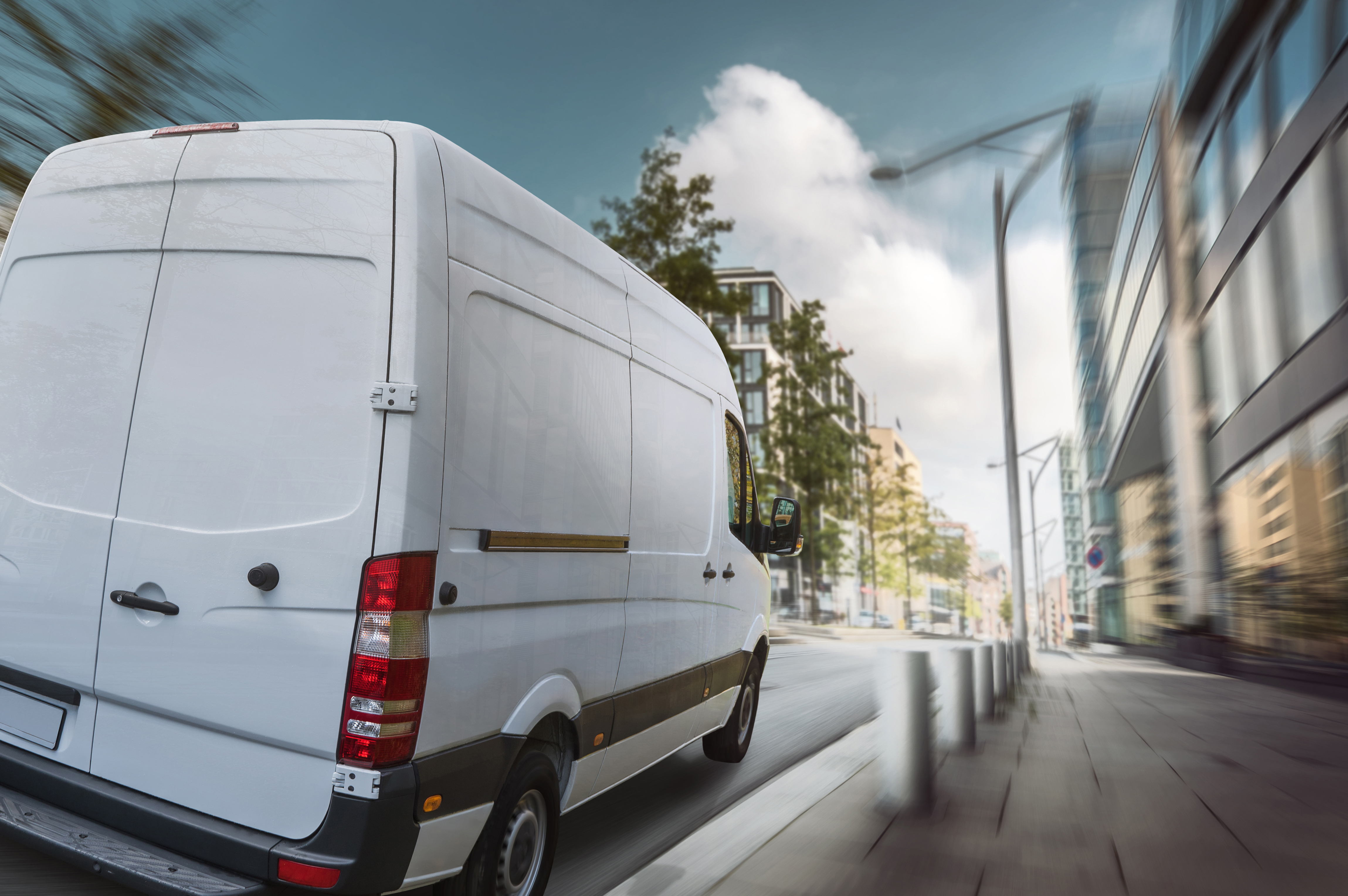
Transport logistics is a critical and complex supply chain, especially the last-mile delivery segment. This final stage involves delivering goods from a transportation hub to their final destination, often characterized by unpredictability and high costs. Stochasticity, which refers to the inherent randomness in systems, significantly influences the challenges and strategies in last-mile logistics.

Last-mile logistics is affected by several stochastic factors. Traffic variability is a significant concern, as unpredictable traffic conditions can drastically alter delivery times. This unpredictability can stem from various sources, such as rush hour congestion, unexpected roadworks, or accidents. Additionally, customer availability adds to the uncertainty, as varying schedules and preferences can complicate optimizing delivery routes.
Weather conditions also introduce stochastic elements. Unpredictable weather, like rain or snow, can delay deliveries and escalate operational costs. Furthermore, the fluctuating volume and size of parcels, driven by factors like seasonal demand or consumer trends, affect the efficiency of vehicle loading and route planning.
To address these stochastic challenges, the application of data and AI in transport logistics is crucial, albeit in a more streamlined role than previously anticipated. Predictive analytics, for instance, can be employed to anticipate traffic patterns and weather conditions, allowing logistics companies to proactively modify their delivery strategies. AI algorithms are beneficial in dynamically adjusting delivery routes in real time, considering the latest traffic updates, delivery windows, and vehicle capacities.

This flexibility is critical in managing the unpredictability of last-mile logistics. Additionally, AI can improve customer interactions by providing more accurate delivery time predictions and enabling customers to select convenient delivery windows. Though still in developmental stages, autonomous delivery vehicles and drones present a promising avenue to mitigate human-related stochastic factors such as driver availability.
In conclusion, the stochastic nature of last-mile logistics necessitates innovative solutions to tackle its inherent unpredictability. The judicious use of AI and data analytics enhances operational efficiency, reduces costs, and elevates customer satisfaction. As these technologies continue to evolve, they hold the potential to significantly transform the landscape of transport logistics.
 Tom Van Woensel