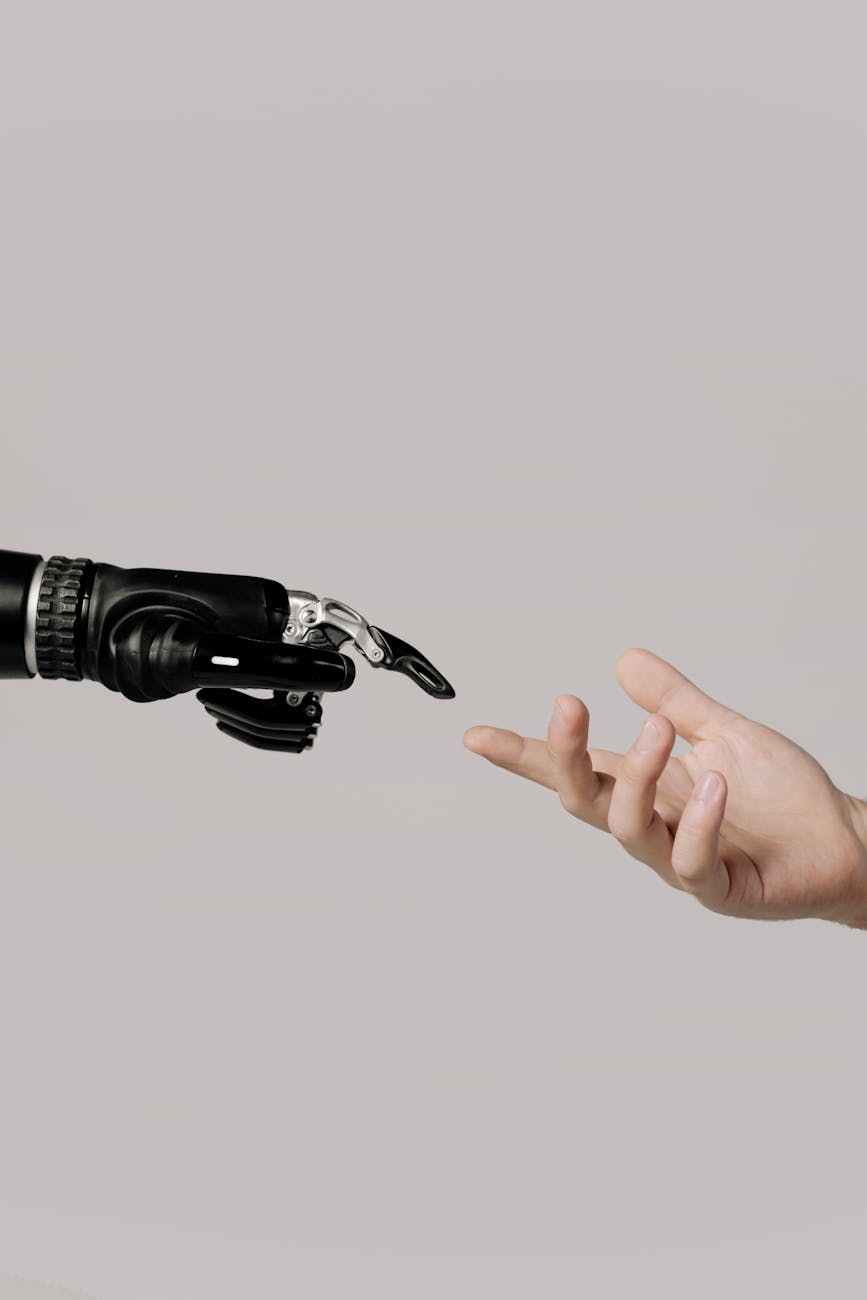
Artificial intelligence is already reshaping education at TU/e, and it makes no sense to either ban it or ignore it. The question is no longer whether students will use AI, but how we as a university can guide that use responsibly. That is why I have been asked to take the lead in embedding AI into all aspects of education at TU/e. My task is to steer this transformation so that, by 2030, AI becomes a natural, thoughtfully integrated part of how we learn and teach. Establishing a clear vision is essential to ensure that both lecturers and students understand how AI can support learning while maintaining academic integrity.
Achieving this change requires more than minor adjustments: it demands rethinking entire degree programs, learning objectives, and assessment methods. I often compare this process to turning an oil tanker: it takes time and distance to shift direction. In the short term, our focus is on providing tools and guidelines for both students and instructors. In some cases, AI can be a legitimate aid, while in others, such as assessing fundamental understanding, it might be necessary to return to pen-and-paper or oral exams. What matters is moving away from testing facts that AI can easily provide, and instead encouraging deeper conceptual understanding and complex problem-solving. Challenge-based, multidisciplinary learning will be key to achieving that.
In the coming years, TU/e must become a place where AI enhances rather than replaces learning.
For more information, take a look at the interview in Cursor (thank you, Leoni Andriessen).
 Tom Van Woensel