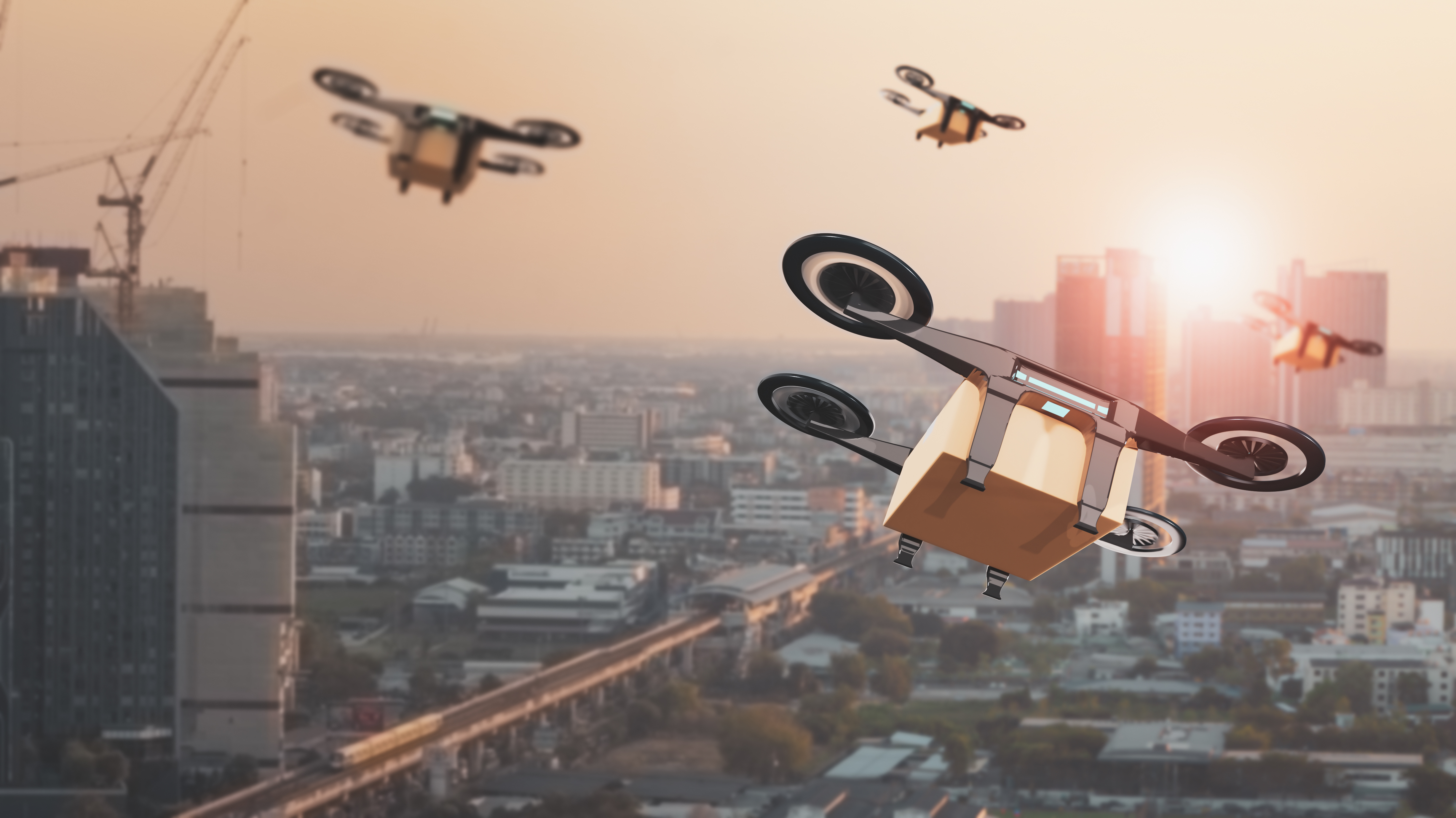
City logistics (or urban logistics or last-mile logistics) refers to optimizing and managing logistics and transportation activities in urban areas to improve efficiency and reduce the impact of these activities on the environment, traffic congestion, and urban livability. This involves managing the movement of goods and services within cities, which can be particularly challenging due to urban environments’ complex and densely populated nature. Some key aspects of city logistics include:
- Last-Mile Delivery: The final step of the delivery process, where goods are transported from a transportation hub to their final destination. This is particularly challenging in urban areas due to traffic congestion and limited parking.
- Sustainable Practices: To reduce carbon emissions and other environmental impacts, implement green logistics strategies, such as using electric or hybrid delivery vehicles.
- Traffic Management: Balancing logistics needs with those of other road users, including private vehicles, public transport, and pedestrians.
- Innovative Solutions: Improve efficiency by utilizing GPS tracking, route optimization software, and automated delivery systems (like drones or robots).
- Collaboration and Regulation: Cooperation between stakeholders, including logistics companies, city planners, and local government, to create policies that facilitate efficient and sustainable city logistics.
Over the last two decades, my work has centered around city logistics, particularly emphasizing the complex challenges of last-mile delivery in dense urban areas. A crucial element in this context is managing uncertainties, such as unpredictable customer demand, where it’s unclear if customers will be available or what their exact orders will be. Traffic unpredictability, often in the form of sudden jams, also frequently disrupts our delivery plans.
In addressing these challenges, sustainability has been a critical focus. We strive to reduce greenhouse gas emissions through various innovative solutions. This includes experimenting with drone delivery systems, circumventing traffic issues by utilizing airspace, and potentially offering a more environmentally friendly alternative to traditional delivery vehicles. The use of locker systems for package drop-off and collection also contributes to this goal, as it can decrease the need for multiple delivery attempts, thus reducing emissions.
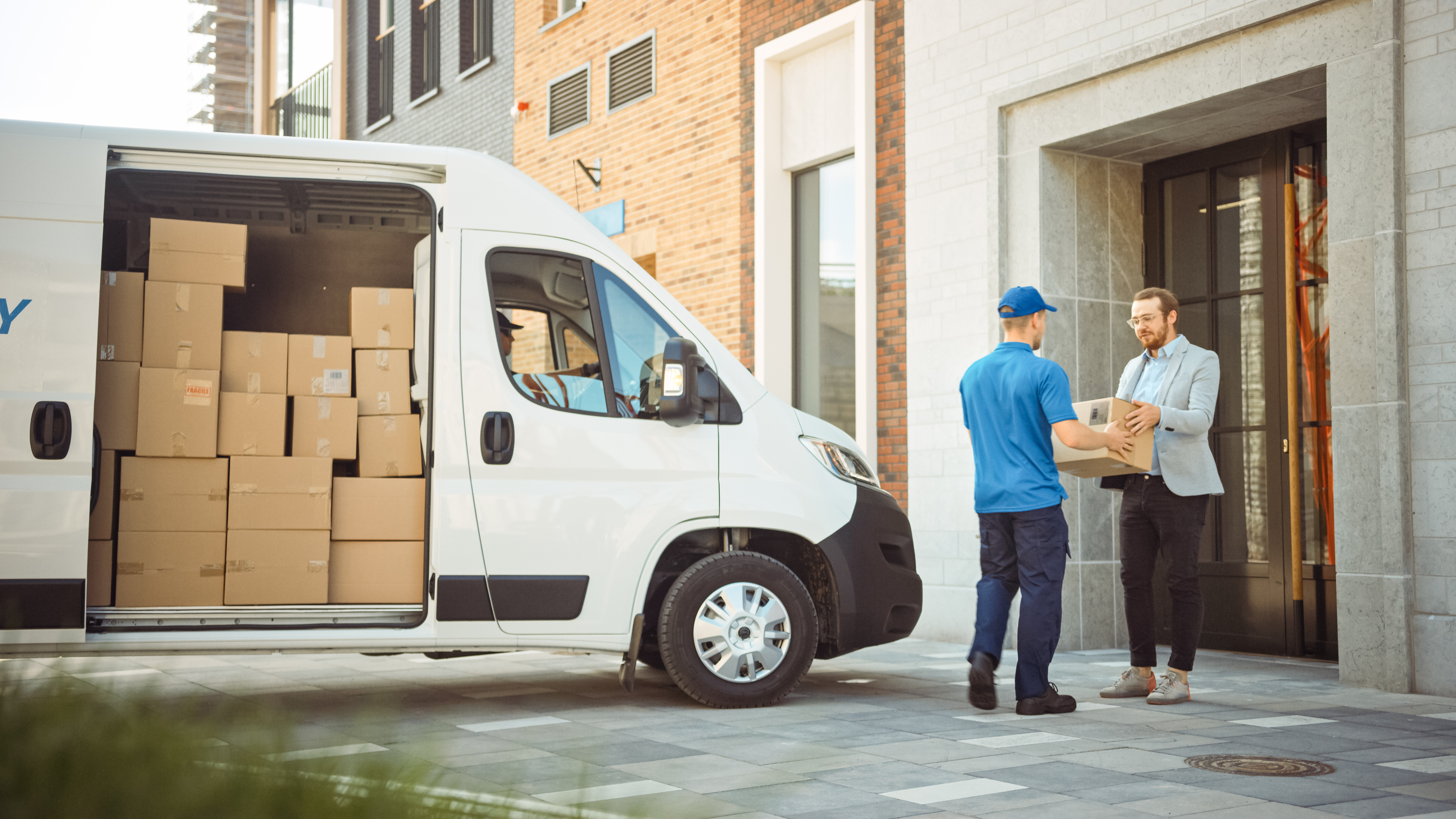
Furthermore, integrating freight with public and people-oriented transport systems forms a significant part of our approach. This integration aims to streamline deliveries, reduce congestion, and create a more sustainable urban transport network. These efforts in exploring new concepts and technologies are vital for adapting city logistics to the changing urban landscapes, meeting customer needs, and significantly advancing our commitment to environmental sustainability.
Future challenges in city logistics include:
- Growing Urban Populations: As more people move to cities, the demand for goods and services increases, leading to more delivery vehicles and potential congestion.
- Environmental Sustainability: Finding ways to reduce the carbon footprint of logistics activities, including transitioning to zero-emission vehicles and optimizing delivery routes to minimize travel.
- Technological Advancements: Integrating new technologies, such as autonomous vehicles and advanced data analytics, into logistics operations while addressing concerns related to safety, privacy, and job displacement.
- Space Limitations: Managing logistics in cities with limited space for warehouses and delivery vehicles may require innovative solutions like underground logistics systems or multi-purpose delivery hubs.
- Regulatory Challenges: Navigating the complex regulatory landscape of urban areas, which can vary greatly and impact logistics operations.
- Consumer Expectations: Meeting consumers’ rising expectations for faster, more flexible, and more transparent delivery services.

An essential challenge in city logistics revolves around effectively utilizing rich data and advanced artificial intelligence (AI) methods. As urban areas continue to grow and evolve, the complexity of managing logistics in these dense environments escalates. The key challenge lies in harnessing the vast amounts of data generated from various sources like traffic patterns, consumer behavior, weather conditions, and more and effectively analyzing this data using AI to improve logistics efficiency and sustainability.
The potential of AI in this context is immense, from predictive analytics for demand forecasting to real-time route optimization that considers current traffic conditions and environmental factors. However, this also introduces significant challenges:
- Data Quality and Integration: Ensuring data’s accuracy, consistency, and real-time availability from diverse sources is a considerable challenge. Integrating this data into a cohesive, actionable format requires advanced data management and analytics capabilities.
- AI Algorithm Complexity: Developing AI algorithms that can effectively process and analyze rich, multi-dimensional data to provide actionable insights is a complex task. These algorithms need to be robust, adaptable to changing conditions, and capable of handling the intricacies of urban logistics.
- Privacy and Security Concerns: With increased data usage, maintaining the privacy and security of individuals and businesses becomes paramount. Ensuring data collection and analysis adhere to legal and ethical standards is a critical challenge.
- Infrastructure and Resource Requirements: Implementing AI-driven solutions requires significant computational resources and supporting infrastructure. Cities and logistics companies must invest in technology and expertise to leverage AI effectively.
- Adaptation and Training: As AI transforms logistics operations, personnel must adapt to new systems and technologies. This includes training logistics staff and city planners to understand and effectively utilize AI-driven tools.
- Sustainability Considerations: Integrating AI in city logistics must be done with an eye on sustainability. AI-driven solutions should contribute to reducing greenhouse gas emissions, promoting energy-efficient logistics operations, and minimizing the environmental footprint of urban deliveries.
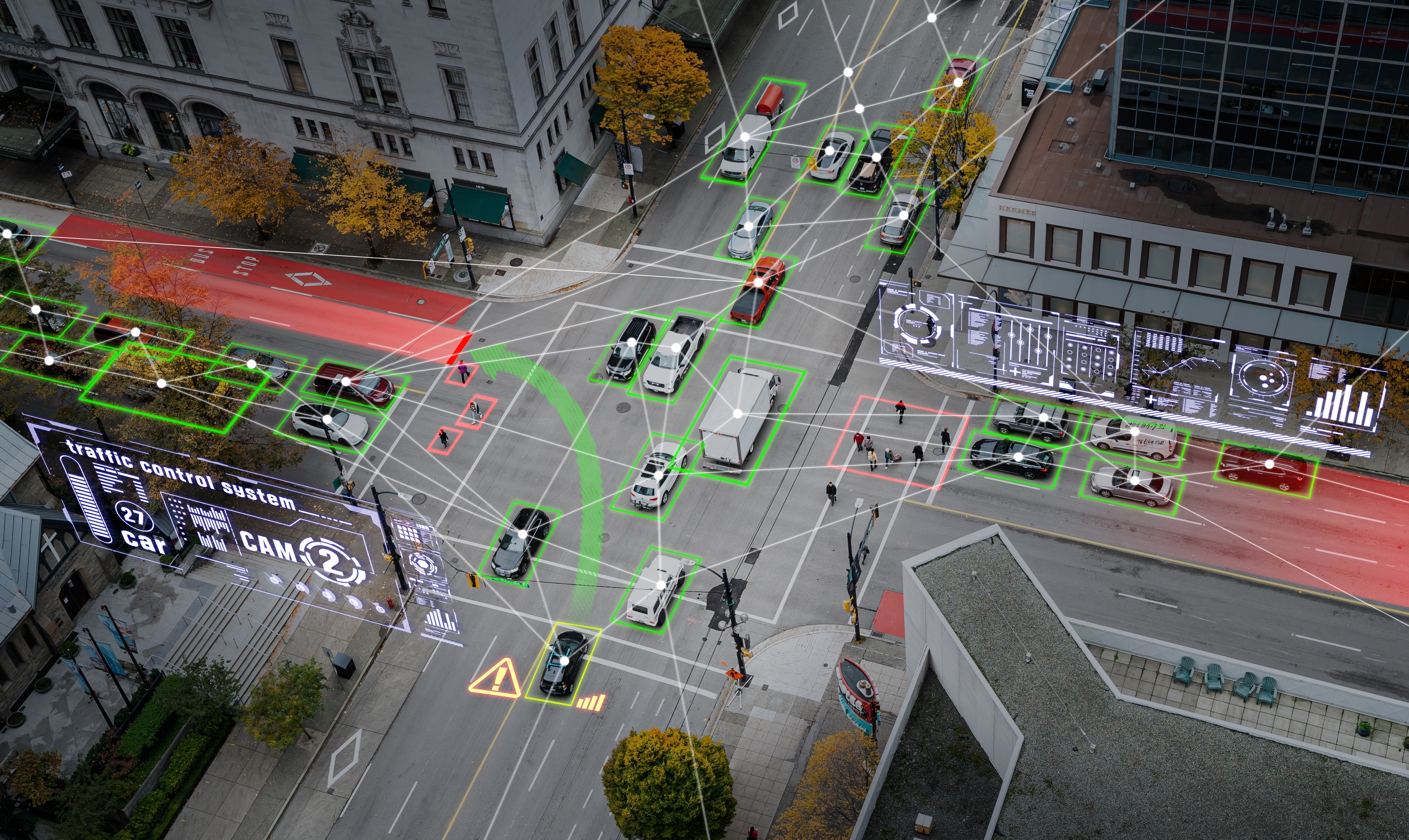
In conclusion, while using rich data and AI methods presents a promising avenue for revolutionizing city logistics, addressing these challenges is crucial for realizing its full potential in improving efficiency, sustainability, and adaptability in the complex landscape of urban logistics.
City logistics is an evolving field that requires continuous adaptation and innovation to meet the challenges of urbanization, technological change, and sustainability. Do you want to know more? Check out my website and look into the various publications and projects our research group was involved in.
 Tom Van Woensel